Friday, July 31, 2009

A new iPhone application offers to help you understand how happy you are

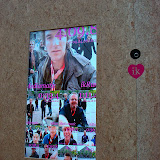
A new iPhone application offers to help you understand how happy you are, and what makes you happy, by tracking what factors are associated with your personal happiness.

The TrackYourHappiness application is actually part of psychology research being performed by Matt Killinsgworth at Harvard. The site identifies the mission of the project as a

“new scientific research project that aims to use modern technology to help answer this age-old question. Using this site in conjunction with your iPhone, you can systematically track your happiness and find out what factors for you personally - are associated with greater happiness.”

Upon signing up for the program, you report a slew of personal information to give the software (and researchers) an idea of who you are; how satisfied you report being with your life, income, marital status, political leanings, etc. Your iPhone periodically reminds you throughout the day to answer a short one-minute survey, asking how happy you are and what you’re doing. 50 complete survey answers later, you receive a Happiness Report, which will help you understand what factors most affect your levels of happiness.

Via Noah Briar

Joy's law: Most of the smart people work somewhere else... :)

Thursday, July 30, 2009

Production process

“Organic Net” Boutique by Sako Architects: A Design that No One Can Copy


Home to many of the richest Chinese businessmen and officials, Hangzhou is known as a leading “leisure city” of China. To stand out in Hangzhou’s luxury retail market, the female clothing brand Romanticism asked Japan’s SAKO Architects to design a store that “no one could copy.” The result is an organic net theme that covers both the exterior and interior of the store.


Developed on the assumption that there's no such thing as too much choice, Coca-Cola Freestyle is a new self-serve soda fountain that can dispense up to 100 different drink flavours. The machine is being tested this summer at fastfood restaurants in California and Atlanta, with the intention of rolling out units across the US early next year.
Flavoured teas, waters, juices and soft drinks will all be available from Coca-Cola Freestyle, letting customers select drinks based on brand, calorie content or caffeine levels, all through the system's touchscreen interface. Combinations will be pre-set, meaning Raspberry Coke and Peach Fanta are available on tap, but frat dares combining tea and Sprite won't be possible. Many of the flavours on offer are new to the US market.
RFID tags will keep track of the syrup the machine uses, telling retailers when to refill, and providing Coke HQ with insight into popular flavours and locations. By tracking sales, Coca-Cola gains valuable insight into which drinks would be most successful if offered bottled or canned. Which means the intelligent technology doesn't just offer a new level of choice for customers, but also streamlines supply chain management and informs new product development.


Out to help those looking for a quick relaxation fix, a new drink from Canada offers ‘an acupuncture session’ in every can. An antidote to energy drinks like Red Bull, Slow Cow was developed to help people de-stress.

Under the premise that caffeine-packed drinks tend to increase anxiety, Slow Cow contains theanine, chamomile, valerian, passiflora and other ingredients known for their calming effects. The beverage is meant to increase mental awareness while improving relaxation, without the post-hit dip that caffeine and other stimulants cause.

Slow Cow, whose tongue-in-cheek logo apparently did not amuse Red Bull, might have found a gap in a market saturated with energy drinks of every possible variety. It's not the only beverage to position itself as a relaxation drink, mind you, (Drank is another), but Slow Cow gets our vote for best branding. Seems like a natural fit for spas, hotels, airlines—or anywhere else consumers could use a serving of relaxation.

Website: www.slowcowdrink.com

Photo tarpaulins transform garage doors


On even the most tastefully appointed of houses, garage doors tend to be drab and monochrome eyesores, designed apparently without even the smallest nod to aesthetics. A German company aims to change all that, however, with large-scale posters that transform the doors through highly realistic 3D images.
Style-your-garage.com's photo tarpaulins are available with a variety of motifs and images that are sure to cause neighbours, friends and passers-by to stop and stare. A photographic version of trompe l'oeil, some are designed to give the impression that unusual contents can be found in the garage, such as an airplane, race car or monster-sized kitty. Others aim to provide a glimpse of the world beyond the garage door, such as a Tuscan landscape or what seems to be the home's very own golf course. Another series, meanwhile, aims to give the garage door itself another look altogether, such as through a rustic wooden appearance. Consumers can also upload the digital image of their choice and have it turned into a customised photo tarpaulin. In fact, Style-your-garage.com invites consumers to submit ideas for new designs as well, and promises a share of the profits if their idea gets accepted.

Website: www.style-your-garage.com